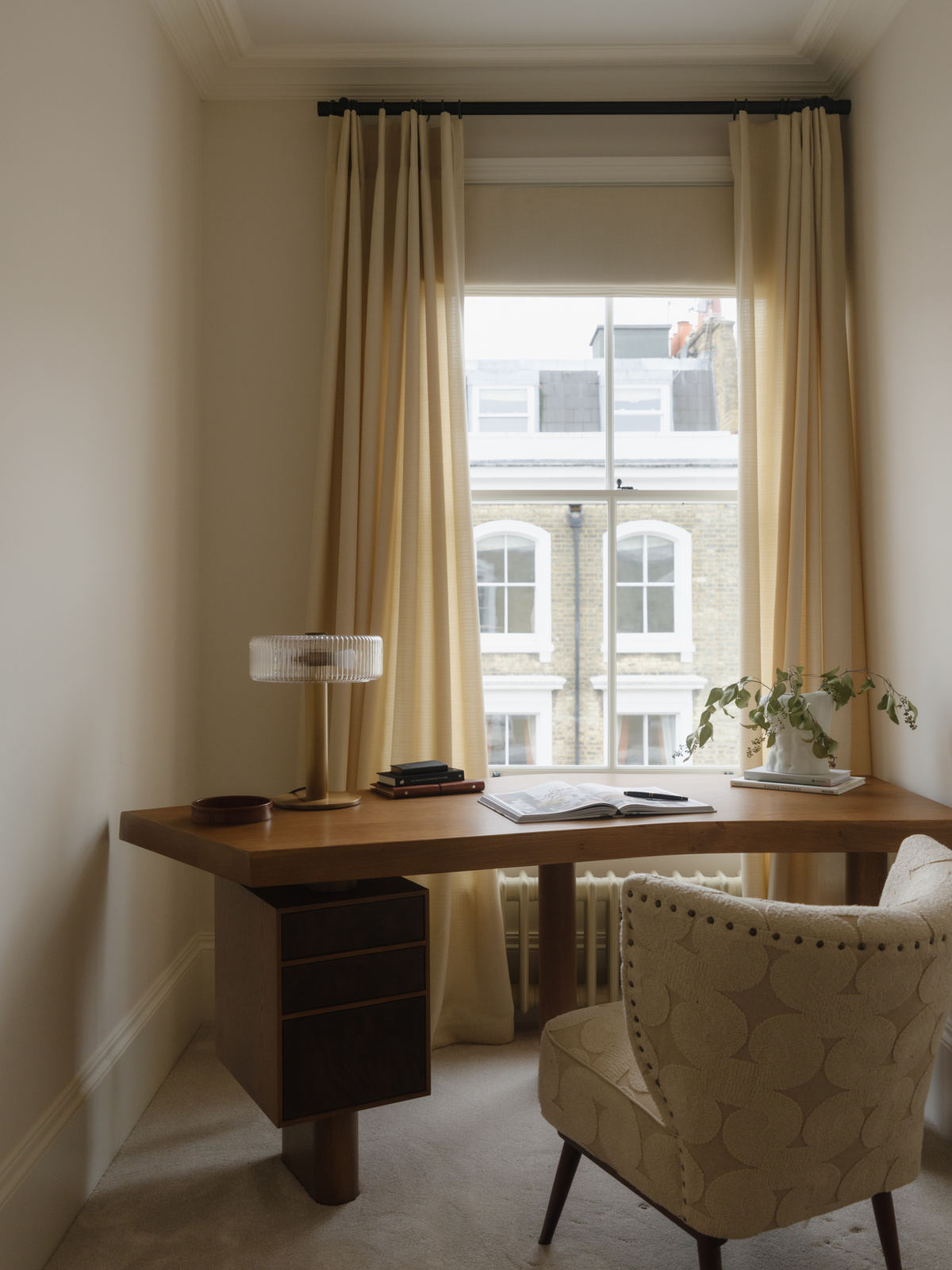
Most people who get in touch with me have never hired an interior designer before. They know they want their home to feel different, but they're not sure what happens between the first phone call and the day they walk into a finished room. So here is exactly how we work at STUDIO VM, stage by stage.
First, a conversation
Every project starts with a free call. I want to hear how you live: who's at home, where you relax, how you entertain, what drives you mad about the space as it is now. We talk about budget and timing too, because a beautiful scheme that doesn't fit either isn't much use.
After that, I send a written proposal setting out the scope, our fees and a realistic timeline. Nothing starts until you're happy with it.
Stage 1: Concept
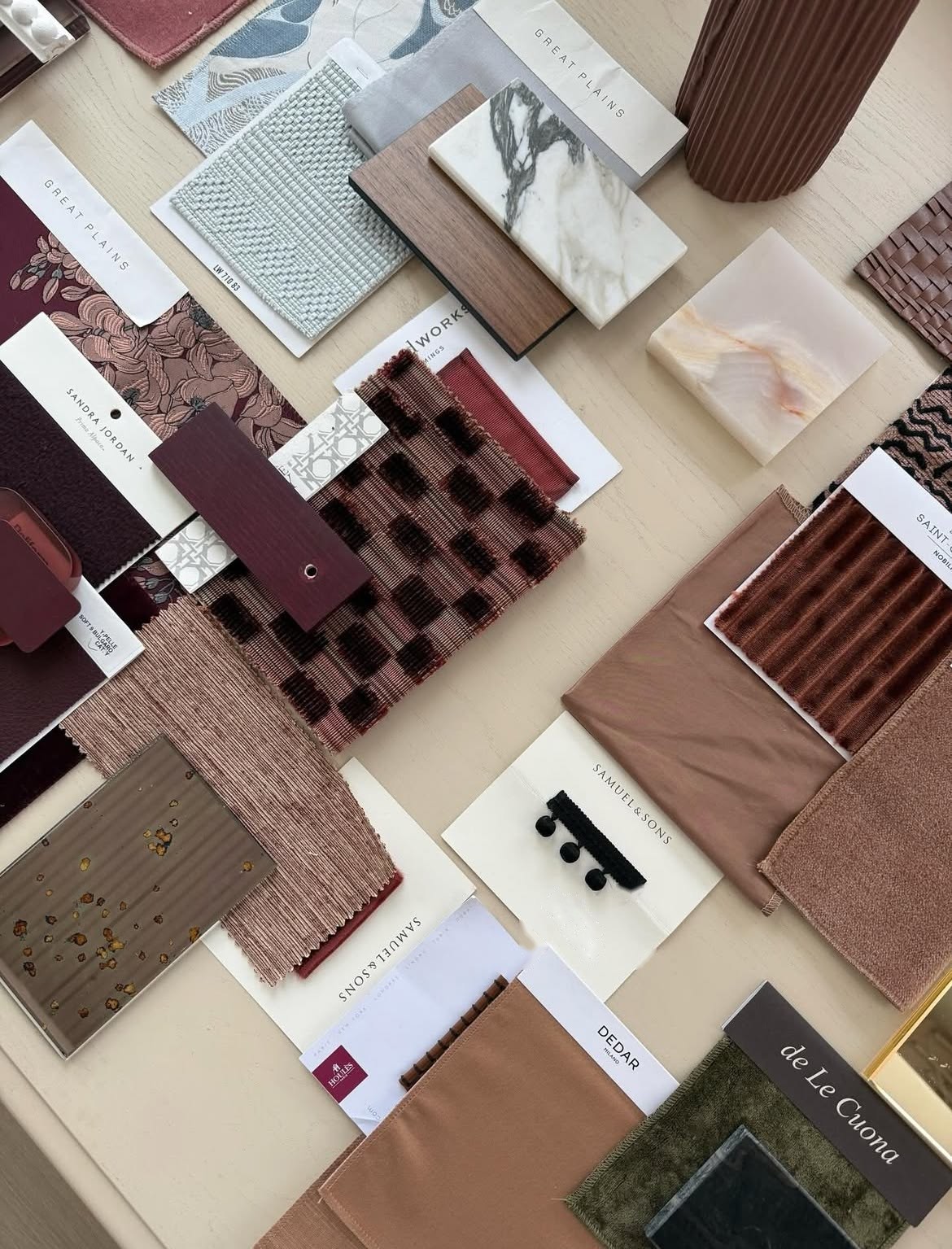
This is where the look and feel of your home takes shape. I put together mood boards, colour palettes and early layouts, so you can see the direction before anything is fixed.
It's also when I look hard at how each room works. Where does the light fall? How do you move from the kitchen to the garden? Is there a better place for the sofa, or the desk, or the bed? Getting the layout right first is what makes a room feel easy to live in.
Stage 2: Detailed design
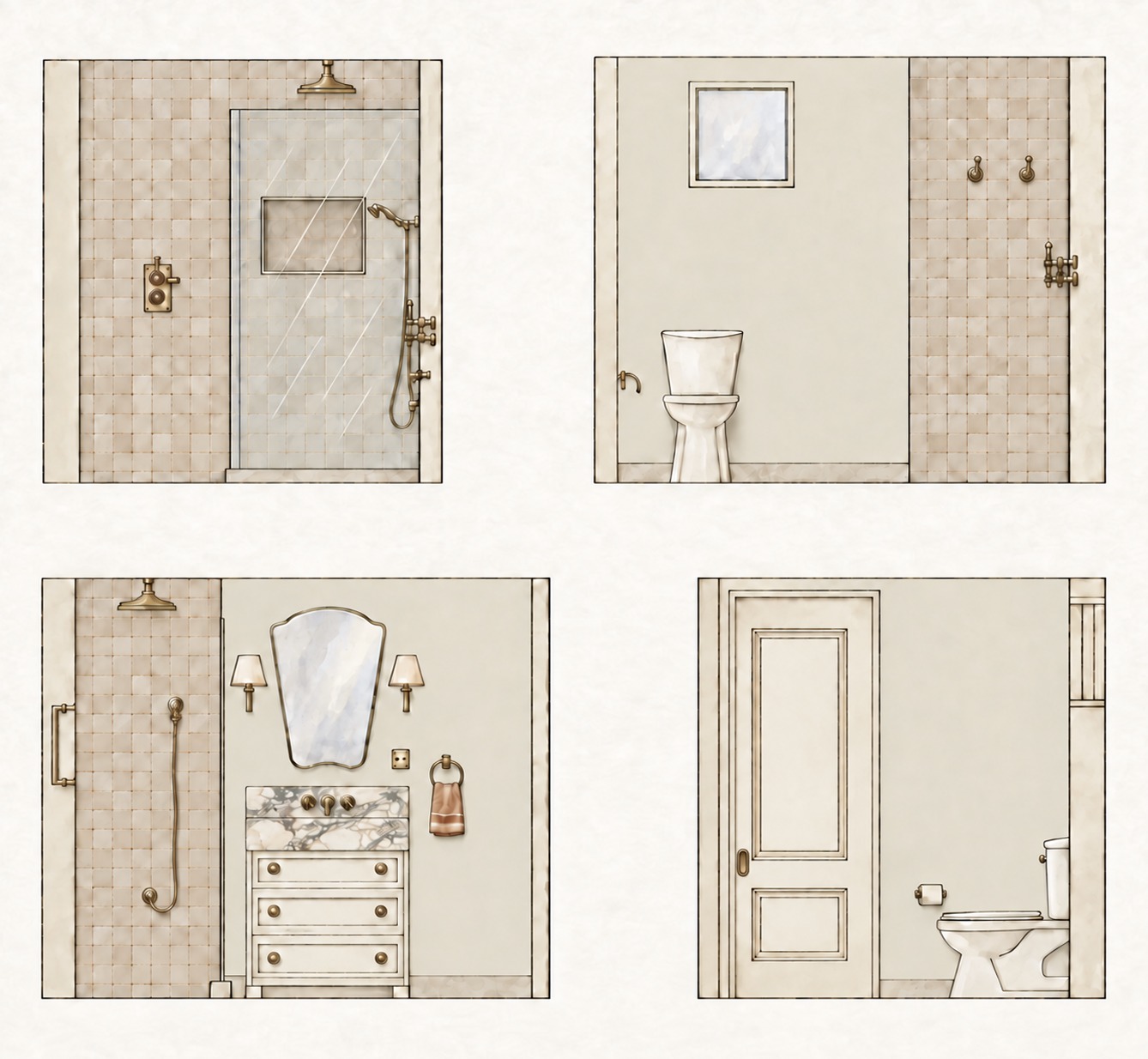
Once the concept is agreed, it becomes a set of drawings a builder can actually use: floor plans, elevations, lighting and electrical plans, kitchen and bathroom layouts, and joinery details.
In London, this stage often means working with the building's history. Cornicing, fireplaces, panelled doors and sash windows are part of the character of a period home, and I design around them rather than against them.
Stage 3: FF&E (furniture, fixtures and equipment)
This is the part most people picture when they think of interior design: choosing the furniture, fabrics, lighting, rugs and art. I specify and source every piece, mixing bespoke pieces, antiques and contemporary design so the room feels collected over time rather than bought in one go.
I work to your budget here. Some pieces are worth investing in; others don't need to be.
Stage 4: Coordination
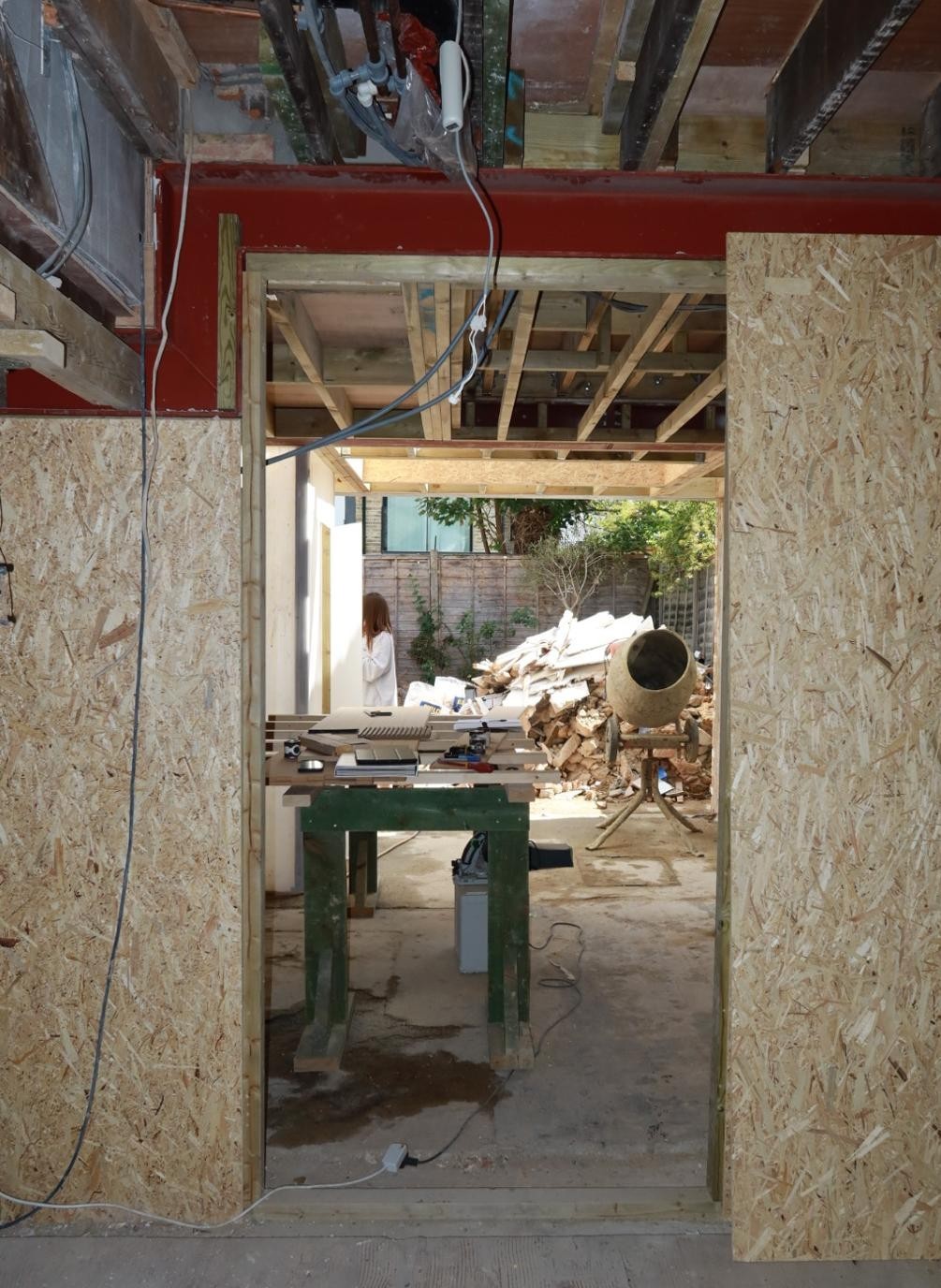
While the work happens on site, I'm your single point of contact. I coordinate with the builders and trades, answer their questions and check that what goes in matches what we designed.
Stage 5: Installation and styling
The last stage is my favourite. Furniture is delivered and placed, art goes on the walls, beds are dressed and shelves are styled. When you come home, the room is finished, down to the cushions.
Is it worth hiring a designer?
A good designer saves you from expensive mistakes: the sofa that doesn't fit, the lighting in the wrong place, the kitchen layout that never quite works. And you get one person responsible for how everything looks and works together, instead of managing it all yourself.
If you'd rather do the buying yourself, our E-Design service gives you the same design thinking as a plan to follow at your own pace.
Let's talk aboutYour home
Tell us a little about your space and we'll be in touch to arrange a call. The first conversation is free.
Start a project